Digital Ecosystem for IoT Product Development
Digital Ecosystem for IoT Product Development
Digital Ecosystem for IoT Product Development
Industry
Industry
Industry
VR, IOT, Smarthome
VR, IOT, Smarthome
VR, IOT, Smarthome
Responsibilities
Responsibilities
Responsibilities
Design the user flow, interaction methods, and UI, as well as conduct user testing.
Design the user flow, interaction methods, and UI, as well as conduct user testing.
Design the user flow, interaction methods, and UI, as well as conduct user testing.
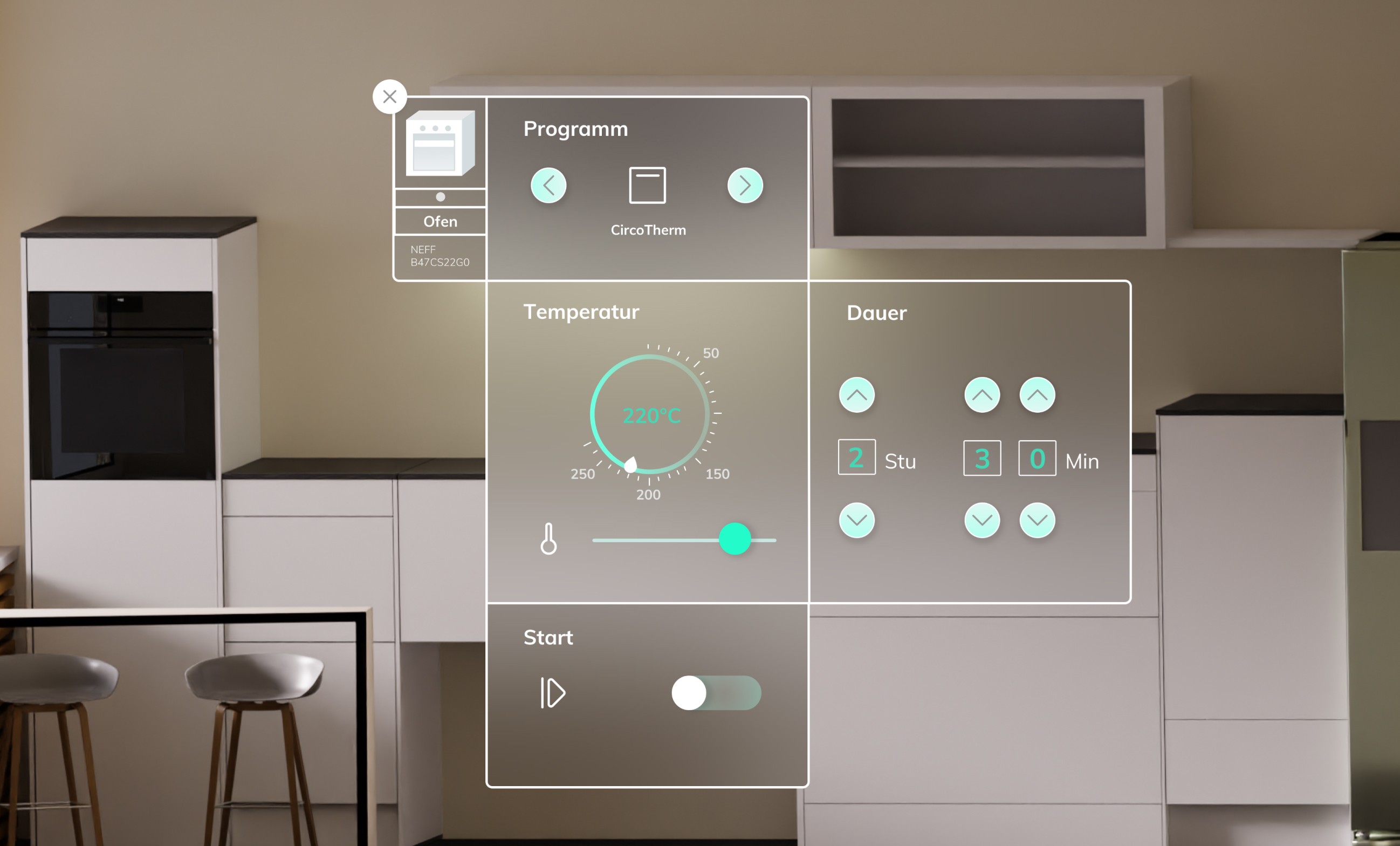
Digital Twin is a 1:1 digital replica of the DAI-Labor Smart Home showroom. It operates within the Internet of Things (IoT) and leverages virtual reality technology to remotely control electronic devices in the showroom. During the pandemic, this digital twin was used as a mobile testing environment in collaboration with DFKI for smart product development projects. In the "Digital Pflege 4.0" project, it continues to be used as a digital model to showcase the smart home features within the project
Digital Twin is a 1:1 digital replica of the DAI-Labor Smart Home showroom. It operates within the Internet of Things (IoT) and leverages virtual reality technology to remotely control electronic devices in the showroom. During the pandemic, this digital twin was used as a mobile testing environment in collaboration with DFKI for smart product development projects. In the "Digital Pflege 4.0" project, it continues to be used as a digital model to showcase the smart home features within the project
Digital Twin is a 1:1 digital replica of the DAI-Labor Smart Home showroom. It operates within the Internet of Things (IoT) and leverages virtual reality technology to remotely control electronic devices in the showroom. During the pandemic, this digital twin was used as a mobile testing environment in collaboration with DFKI for smart product development projects. In the "Digital Pflege 4.0" project, it continues to be used as a digital model to showcase the smart home features within the project
Problem
Problem
Problem
When developers are working on smart IoT products, they need to test these products by connecting them with other devices in an IoT environment. However, finding platforms and environments that offer such IoT testing conditions is not easy. Additionally, during travel restrictions due to the pandemic, it's impossible to test in a showroom. Furthermore, it's not always convenient for all visitors to attend exhibitions in person
When developers are working on smart IoT products, they need to test these products by connecting them with other devices in an IoT environment. However, finding platforms and environments that offer such IoT testing conditions is not easy. Additionally, during travel restrictions due to the pandemic, it's impossible to test in a showroom. Furthermore, it's not always convenient for all visitors to attend exhibitions in person
When developers are working on smart IoT products, they need to test these products by connecting them with other devices in an IoT environment. However, finding platforms and environments that offer such IoT testing conditions is not easy. Additionally, during travel restrictions due to the pandemic, it's impossible to test in a showroom. Furthermore, it's not always convenient for all visitors to attend exhibitions in person
Approach
Approach
Approach
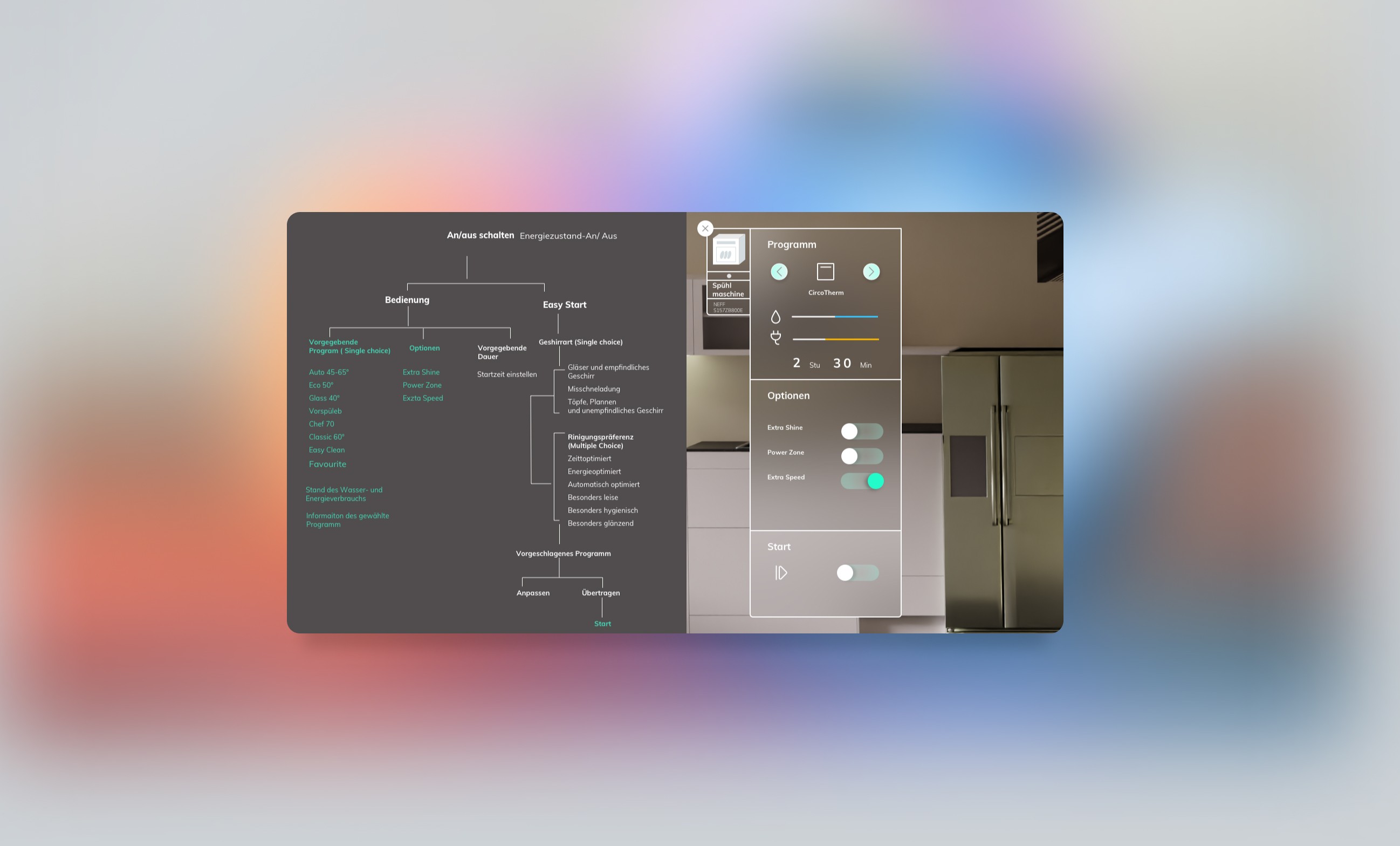
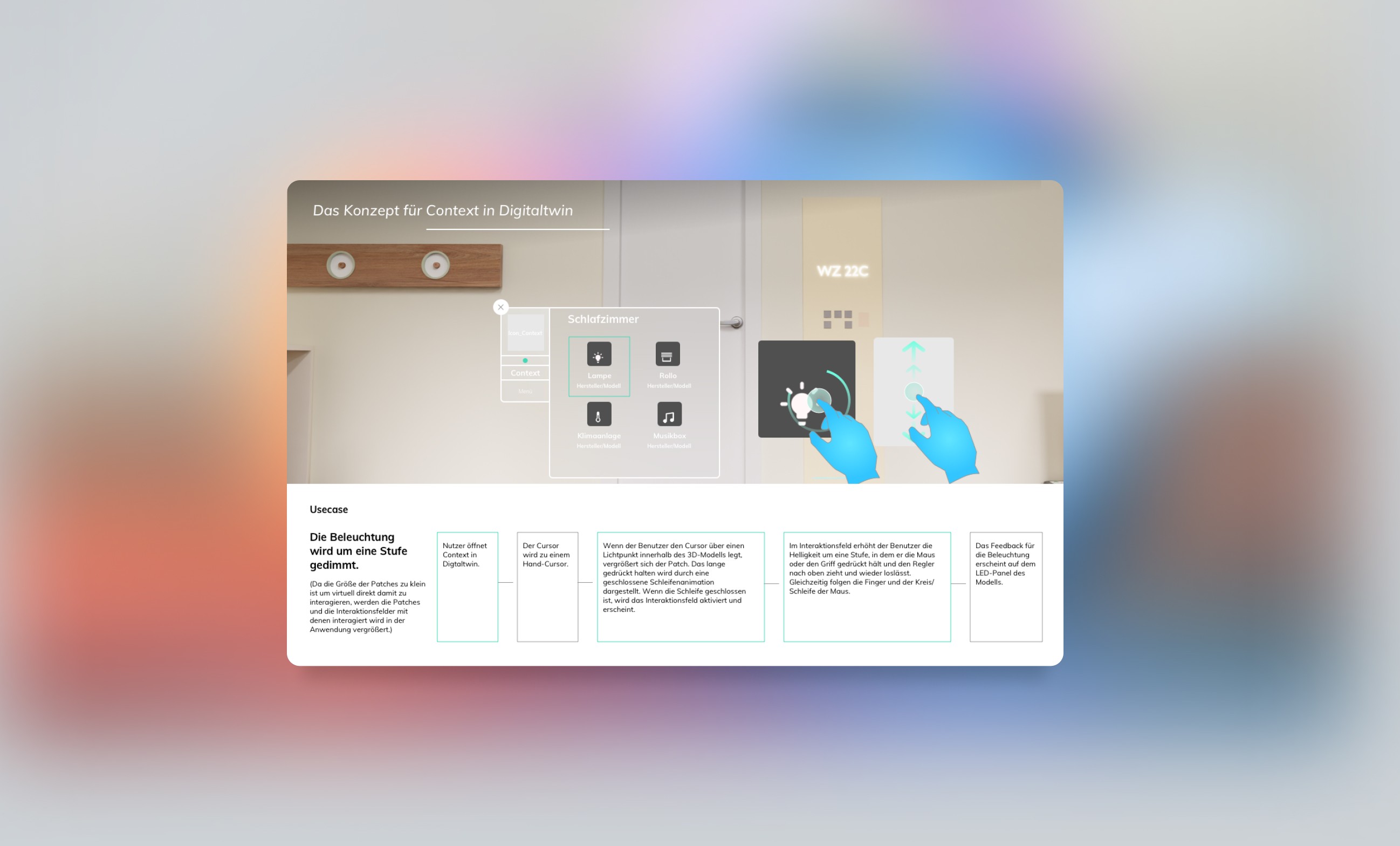
To replicate the showroom experience as closely as possible, we created a 1:1 visual model of the showroom, where the devices are connected to an IoT platform and can be operated. For a more immersive experience, we integrated digital twin into VR and designed a more user-friendly interface for operating the devices within the VR environment
To replicate the showroom experience as closely as possible, we created a 1:1 visual model of the showroom, where the devices are connected to an IoT platform and can be operated. For a more immersive experience, we integrated digital twin into VR and designed a more user-friendly interface for operating the devices within the VR environment
To replicate the showroom experience as closely as possible, we created a 1:1 visual model of the showroom, where the devices are connected to an IoT platform and can be operated. For a more immersive experience, we integrated digital twin into VR and designed a more user-friendly interface for operating the devices within the VR environment
Challenges
Challenges
Challenges
Creating an easy-to-use and intuitive interaction system for visitors with little VR experience is a challenge. Additionally, ensuring simple navigation in the virtual space to prevent users from feeling lost or experiencing motion sickness is crucial.
Creating an easy-to-use and intuitive interaction system for visitors with little VR experience is a challenge. Additionally, ensuring simple navigation in the virtual space to prevent users from feeling lost or experiencing motion sickness is crucial.
Creating an easy-to-use and intuitive interaction system for visitors with little VR experience is a challenge. Additionally, ensuring simple navigation in the virtual space to prevent users from feeling lost or experiencing motion sickness is crucial.